Listen
One working session per department. We watch how the work really moves: the inbox, the spreadsheet, the copy and paste, the five logins, and we write down what each habit costs in hours.
 The Deploy Shop
Book an assessment
AI automation consultants for every department
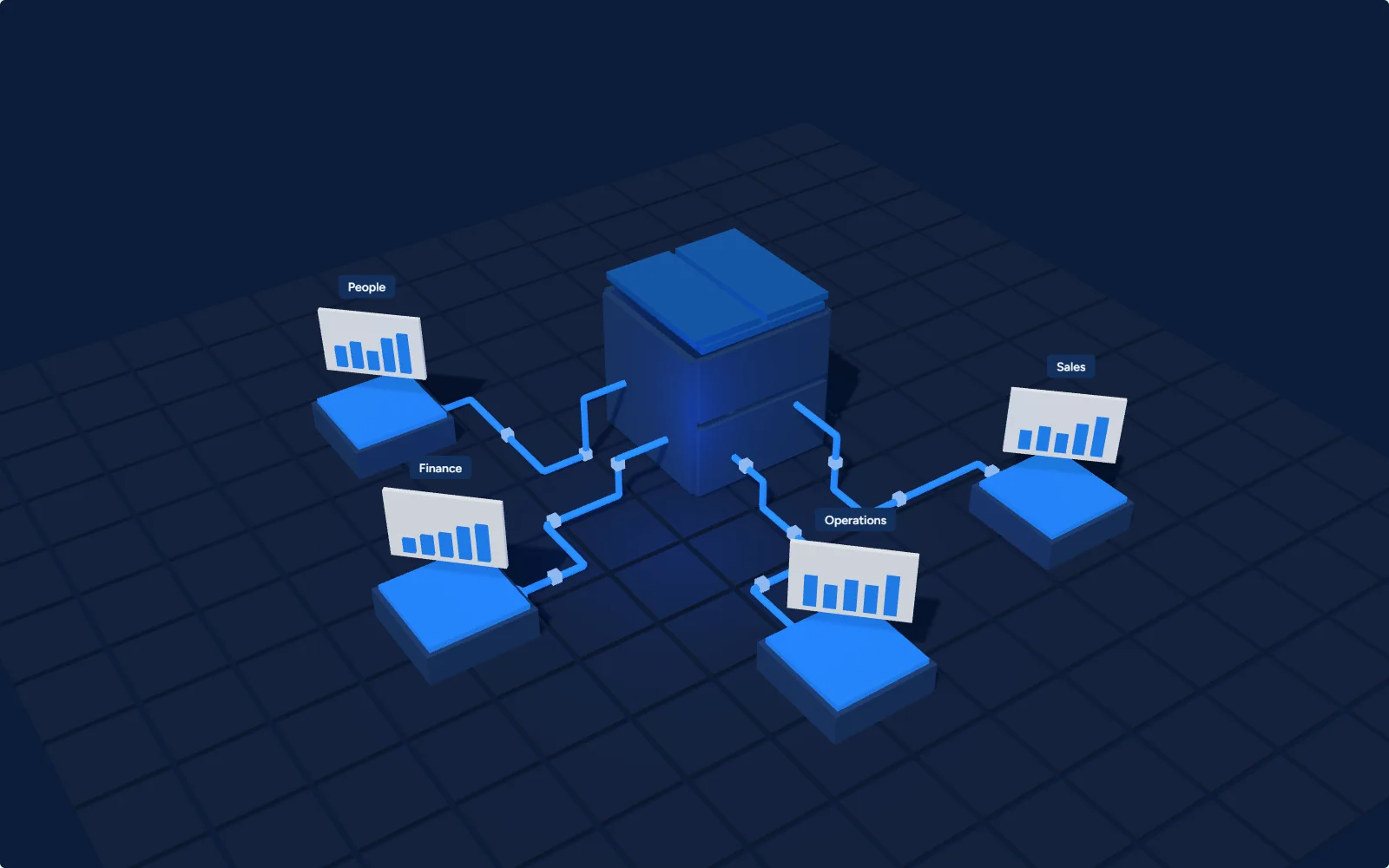
AI automation for every department. We map the work, then build and run what gives the hours back.
Listen
A working session with each department, every manual task logged with its hours.
Map
A priced plan for each team: what we’d build, the hours back, how long it takes.
Build
Quick wins first, wired into the tools your team already uses.
Deploy
Live in your own accounts. You own the workflows, the data and the code.
Run
We watch every run, fix what breaks and ship the next build.
Most teams don’t need another platform. They need the copying, chasing and re-typing taken out of their week, by people who listen first and build second.
Who we are. Two founders, Todd Jackson in Calgary and Harry Skigis in Phoenix, who have spent years automating the operations of a VR studio, a games publisher and a playtest community of thousands. Remote-first from day one.
What we build. Inbox agents that draft replies in your voice, live boards on top of the spreadsheets you already keep, one database for every location, dashboards that fill themselves, and AI that reads documents so people only check the doubtful ones.
Where we work. Anywhere with a laptop. Clients in Canada and the United States first, the rest of the world gladly. Invoices in CAD or USD, and your data stays in your own Google, Microsoft or cloud accounts.
How to start. Book a 45-minute workflow assessment. Bring one department and leave with the three things we would automate first and roughly what each would give back. Or write to hello@thedeployshop.com.
Every engagement runs through the same five stages. You see the plan, the hours and the price of each build before anything gets built, and you can stop after any stage.
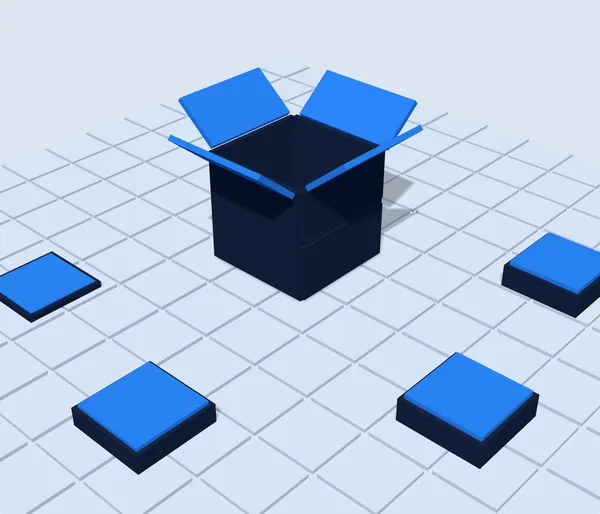
One working session per department. We watch how the work really moves: the inbox, the spreadsheet, the copy and paste, the five logins, and we write down what each habit costs in hours.
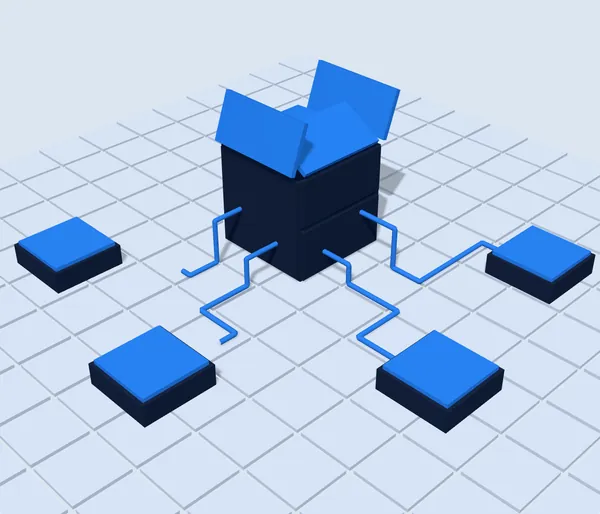
Each team gets a deployment plan: every build with the problem it fixes, how it works, the tools it uses, the hours it returns, how long it takes and what we still need to confirm.
You pick the three to five builds that matter most. Quick wins go first, so something useful is live within weeks while bigger foundations, like one database for every location, come together.
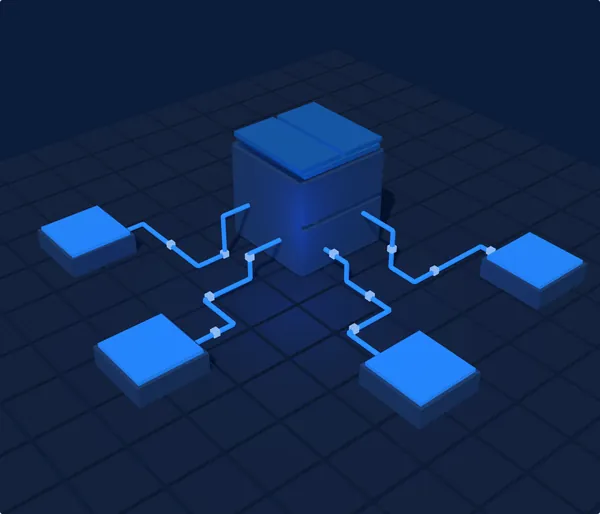
Everything goes live inside your own accounts: your Google or Microsoft workspace, your cloud, your tools. You own the workflows, the data and the code, and nothing locks you in.
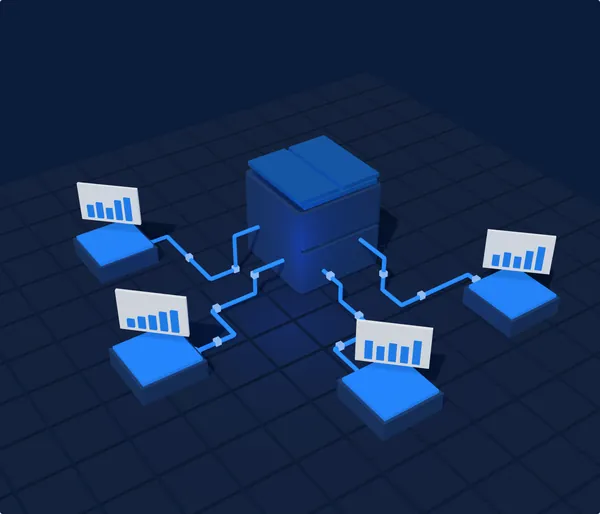
We stay on as your automation team: watching every run, fixing what breaks when a vendor changes something, tuning the AI on real results and shipping the next build on the list.
Built on the tools your team already uses
Every build starts from a real task someone on your team does by hand today. If we can’t name the task and the hours, we don’t build it.
Book an assessmentClaude reads the morning’s mail, matches each thread to your answers and leaves a reply drafted in your voice. Nothing sends until a person says so.
Gmail, Outlook, shared inboxes
The spreadsheet stays where it is. A board on top shows every lead, candidate or job as a card, who owns it and how long it has waited.
Google Sheets, Excel, Power BI
Data from every location, app and login flows into one database you own, so a network-wide report is a query instead of a day of exports.
Postgres, BigQuery, Azure
One intake form creates the accounts, folders, channels and checklists a new hire or client needs, and tracks what is still waiting.
Google Workspace, Microsoft 365, Slack
Invoices, contracts, tickets and feedback get read, matched and tagged with a confidence score, so people review only the doubtful ones.
Claude, document parsing, review queues
Pick a department and the task that eats its week. The slip shows what we would build, roughly how long it takes and the hours it hands back every month.
Systems we built and still run for the companies we work in today: a VR studio, a games publisher, a podcast and a playtest community of thousands. Every number below is real.
Player feedback, games publisher
| Topic | Posts | Mood |
|---|---|---|
| Controller tracking | 412 | |
| Multiplayer lobbies | 355 | |
| New level pack | 301 | |
| Load times on Quest | 264 | |
| Soundtrack | 198 |
Player feedback for ten games was spread over Steam, Quest, Discord, Reddit and a feedback board. A weekly pipeline now pulls it all in, has Claude tag every post by topic and mood, translates what isn’t in English and gives the team one board to read.
16,286 posts sorted into 659 topics
Content, weekly podcast
Cutting and captioning a batch of about twenty shorts took hours. Now a folder watcher hands each clip to Gemini, which watches it and writes a caption for each of seven platforms in the show’s voice, learns from the host’s edits and posts on a schedule.
7 platforms from one folder
Player support, games publisher
New ticket from a player. Game: racing title, Quest 3. Category: crash on launch. Steps and a log file attached.
Thanks, can you try the beta branch? Reply sent back to the player’s ticket.
Daily digest: 23 new ideas in the forum. Most asked for: a co-op mode, more tracks, a photo mode.
Players opened tickets with no details, and staff had to watch Discord to see them. A ticket bot now asks for the game and the problem up front, relays every ticket to Slack with replies threaded back, and Claude writes a daily digest of the ideas forum.
14 games on one desk
Community, VR rhythm game
Community channels went quiet between updates. Patch notes, review milestones and leaderboard overtakes now post themselves as branded cards for ten games, and players get pinged the moment someone passes them.
63 leaderboards checked every five minutes
Members, playtest community
Rewards paid automatically on the next sweep.
Only 41% of 2,644 active testers had finished their profiles. A paced, tracked direct-message campaign reached nearly everyone without tripping rate limits, and a repeatable sweep pays out the reward as profiles are completed.
1,500 of 1,552 messages delivered
Hiring, VR studio
Applications were burying the team’s inboxes. A form on the studio’s site now files every resume into a Drive folder per role and per applicant, writes the application into a document and sends the confirmation email itself.
0 emails to sort by hand
6
systems shipped for four very different teams,
from support desks to hiring
2
countries, founders in each, with invoices
in Canadian or US dollars

Co-founder, Calgary
Co-host and producer of the Reality Bytes podcast. Runs operations and automation for a VR studio’s playtest division: the Discord platform behind thousands of testers, the dashboards leadership opens every morning and the pipelines that move tickets, feedback and content without anyone copying them.

Co-founder, Phoenix, Arizona
Known as Skeeva. Hardware and XR specialist and co-host of the Reality Bytes podcast, who built the onboarding and offboarding automations that run across a studio’s Slack and Google Workspace and the infrastructure behind its community bots.
No, and we won’t design it to. We automate the repeated parts of a job, like the copying, the chasing and the first drafts, so the people who know your business spend their time where they’re needed. Every AI step that touches a customer has a person reviewing it.
You do. Everything runs in your own accounts with your own logins, and you get the code, the prompts and a plain-English runbook. If you stop working with us, it keeps running.
In the systems you already use; we don’t copy it to servers of ours. For Canadian clients we build with PIPEDA and Quebec’s Law 25 in mind and pick Canadian hosting regions wherever the tools offer them.
The first build is usually live two to three weeks after kickoff. Bigger foundations, like one database for many locations, take six to eight weeks and are planned in phases so the quick wins aren’t waiting on them.
Every build in your plan carries a fixed price and an estimate of the hours it returns, so you can judge each one before you agree to it. Ongoing support is a monthly fee you can cancel.
Yes. Most of what we build pays off for teams of five to fifty. If one person spends an hour a day on the same task, that’s twenty hours a month worth looking at.
Google Workspace, Microsoft 365, Slack, Discord, HubSpot, QuickBooks, Shopify, Monday, Notion, spreadsheets of every age and anything with an API. Where a system has no API, we work from its exports.
Forty-five minutes, one department, and the three things we would automate first. We’re taking on a small number of founding clients this year.